Two different ways to reach a finished master
An automated mastering service analyses an uploaded mix and applies processing through its own system. Available controls, preview formats and revision options vary between providers. A human mastering service adds an engineer who can interpret your brief, discuss a problem and make track-specific decisions. Neither description alone guarantees a good result.
Mastering refines a finished mix; it cannot freely rebalance every instrument inside a stereo file. If the vocal needs extensive editing or the arrangement still needs work, choosing a different mastering method will not replace the missing mix stage.
Two approaches, different needs
Automated service
- Listening & context
- File analysis through the provider’s system.
- Control
- Interface parameters; available options vary between tools.
- Revisions
- New processing according to the selected options and plan.
Consider for a demo or when you prefer a self-service workflow.
Work with an engineer
- Listening & context
- Listening and discussion of references and artistic intention.
- Control
- Song-specific directions discussed with the person processing the audio.
- Revisions
- Direct feedback within the agreed scope of work.
Consider when you want dialogue, tailored decisions and consistency across songs.
Neither method guarantees the result on its own: listen and check what the service includes.
When an automated service can make sense
An automated tool can be useful when you want a quick reference, are exploring a demo, or have a well-balanced mix and prefer a self-service workflow. Listen to the result on the systems you actually use and check what you can download before paying.
Do not judge only by the first impression of loudness. Listen for harshness, weakened transients, unstable bass and whether the emotional balance of the song still feels right. The appropriate choice depends on the result, your budget and how much direct support you need.
When a mastering engineer adds value
Working with an engineer is particularly useful when you need to describe an artistic intention rather than select a preset: keep the vocal intimate, preserve the movement of the drums, or bring several songs into a coherent release. The engineer can also tell you when a change to the mix would help more than further mastering processing.
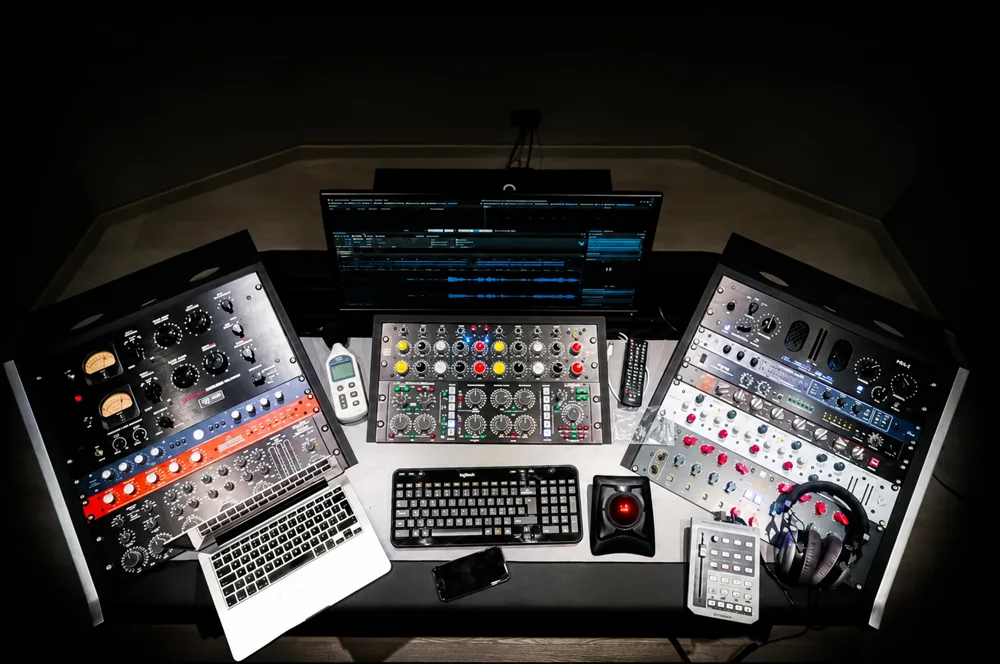
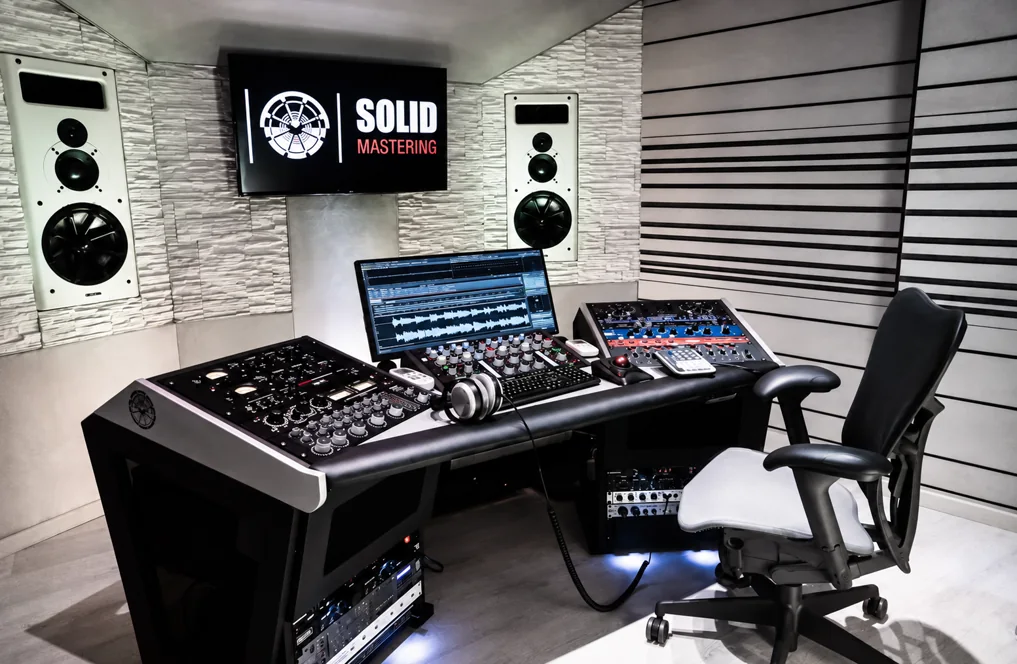
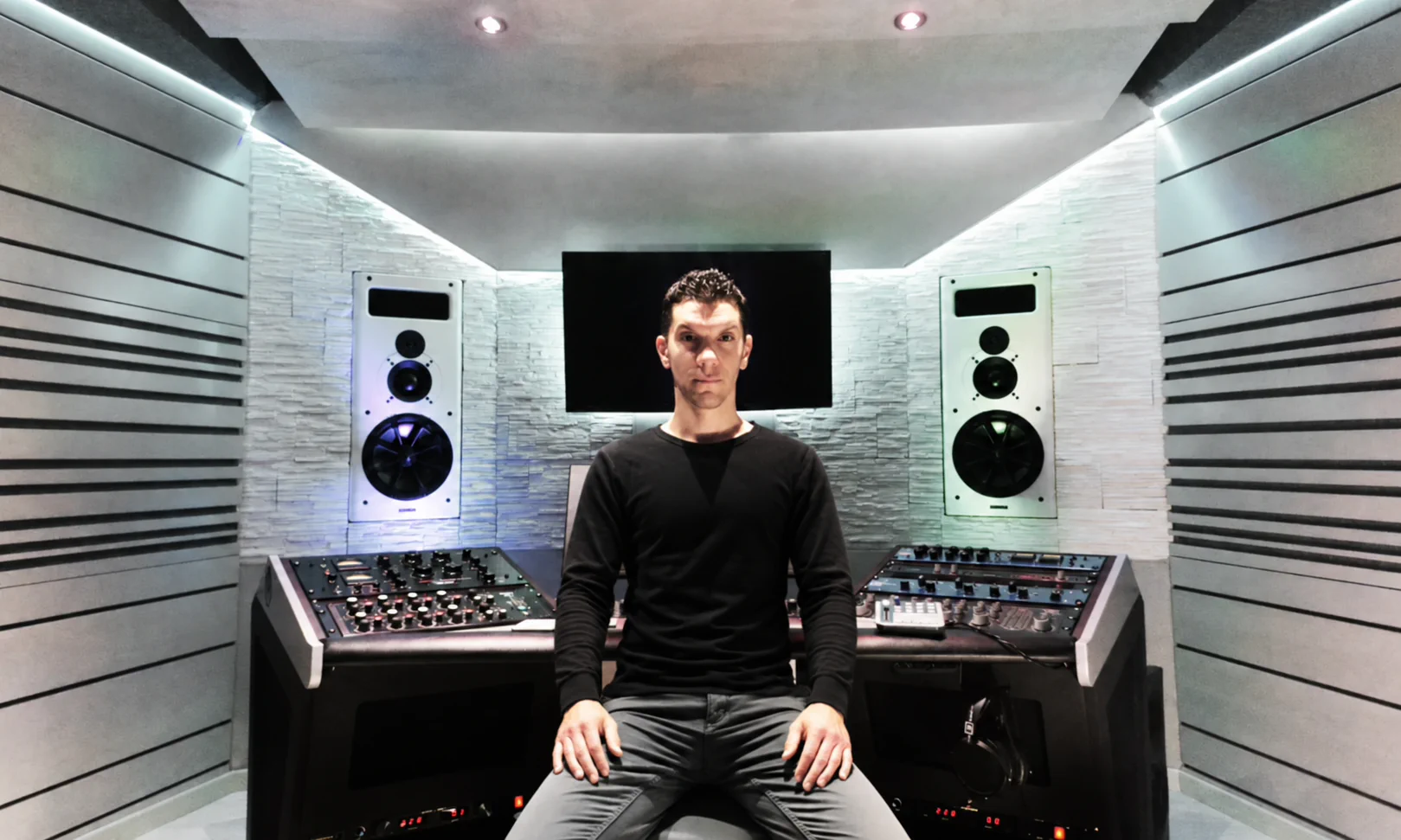
At Solid Mastering, Carlo Camera handles the work personally. References and feedback go to the person working on the audio. The analog equipment is part of that workflow, not a promise that hardware automatically beats every digital or automated result.
Compare the whole service, not just the preview
- Control: can you explain what you want changed, and who responds?
- Deliverables: are the file formats and versions you need included?
- Revisions: what feedback can you provide, and what counts as a change of scope?
- Release context: is this a single demo, a finished single or a multi-song release?
- Trust: can you hear relevant work and understand who is responsible for the result?
A practical way to decide on your next release
Start with one finished mix and one or two useful references. Write a short brief describing what you like about your mix and what concerns you. If you cannot resolve the concern inside the stereo mix, discuss stem mastering or a full mix rather than expecting a stereo master to repair everything.
For a direct experience of the Solid Mastering approach, request a free mastered preview of one stereo mix. No card or account is required. The sample is not a free full mix or a stem-mastering session; it lets you hear whether the direction suits your song before ordering.
Solid Mastering · Bergamo
Which service fits your song?
Start with what your track still needs.
Finished mix
Refine the complete stereo file.
Stereo mastering →Balances to adjust
Control over a few separate groups.
Stem mastering →Tracks to mix
Full work from the multitracks.
Mixing & mastering →Not sure? Hear a preview from your stereo mix.
Request a free preview